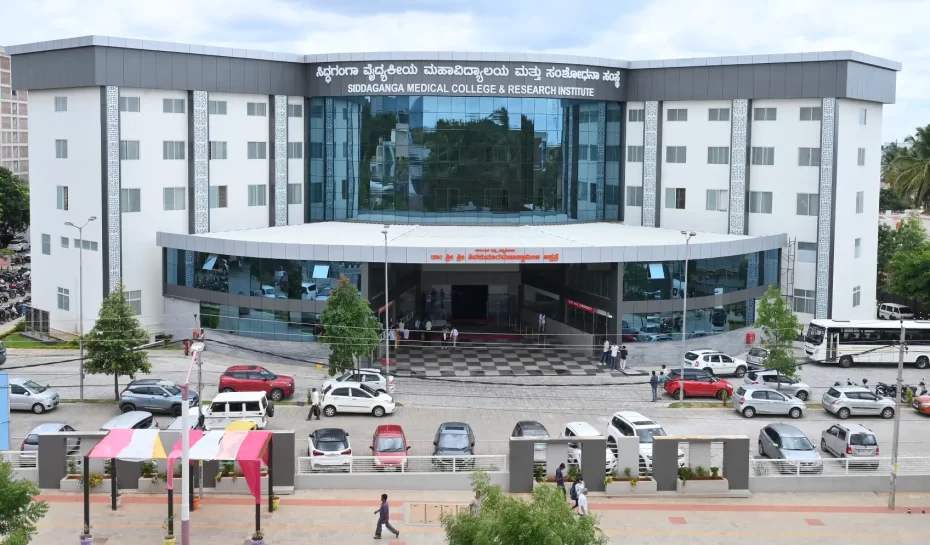
The Department of General Medicine at Siddaganga Medical College & Research Institute (SMCRI) Hospital is dedicated to providing comprehensive medical care and high-quality education in the field of internal medicine. With a focus on treating a wide range of medical conditions, this department serves as the cornerstone for the clinical training of our MBBS students and provides state-of-the-art healthcare services to the community
Services Provided :
The General Medicine department offers a wide range of services to diagnose, treat, and manage various medical conditions affecting adults. These services include:
The General Medicine department offers a wide range of services to diagnose, treat, and manage various medical conditions affecting adults. These services include:
Outpatient Services (OPD): A well-established outpatient clinic where patients are evaluated for a variety of conditions, ranging from common ailments to complex chronic diseases.
Inpatient Services (IPD): Providing 24/7 care in our dedicated medical wards, including management of medical emergencies, chronic conditions, and critical illnesses.
Emergency Care: The department is actively involved in the management of acute medical emergencies, with prompt evaluation and treatment provided in collaboration with other specialties.
Chronic Disease Management: Comprehensive care for long-term conditions such as diabetes, hypertension, asthma, chronic obstructive pulmonary disease (COPD), and other cardiovascular and metabolic disorders.
Preventive Healthcare: Focus on promoting health through screening, early detection, and lifestyle modification programs aimed at reducing the burden of preventable diseases.
Health Check-ups: Comprehensive health check-up packages for early detection and management of risk factors associated with lifestyle diseases.
Telemedicine: In line with modern healthcare trends, telemedicine consultations are available for follow-up care and minor ailments.
Specialties and Expertise :
The department of General Medicine has specialized expertise in diagnosing and managing a wide variety of medical conditions, including but not limited to:
Cardiovascular Diseases: Hypertension, heart failure, coronary artery disease, and arrhythmias.
Respiratory Disorders: Asthma, COPD, pneumonia, tuberculosis, and other pulmonary diseases.
Endocrine Disorders: Diabetes, thyroid disorders, and metabolic syndrome.
Renal Disorders: Acute and chronic kidney disease, dialysis management, and electrolyte imbalances.
Neurological Disorders: Stroke, epilepsy, migraine, Parkinson’s disease, and dementia.
Infectious Diseases: Management of common infections, tropical diseases, and antibiotic stewardship.
Rheumatological Conditions: Autoimmune diseases like rheumatoid arthritis, lupus, and vasculitis.
Hematological Disorders: Anemia, clotting disorders, and hematological malignancies.
Academic and Clinical Training :
The General Medicine department plays a pivotal role in the clinical training of undergraduate students, particularly in the diagnosis and management of common medical conditions. Students gain hands-on experience in managing real-life cases under the supervision of experienced faculty, preparing them for the challenges of modern medical practice.
Clinical Rotations: MBBS students undergo rotations in our well-equipped medical wards, where they learn to evaluate and manage patients with a wide variety of medical conditions.
Case Discussions & Seminars: Regular case-based discussions, seminars, and journal clubs are conducted to enhance students' critical thinking and knowledge base.
Skill Development: Students receive training in essential clinical skills, including taking medical histories, performing physical examinations, and interpreting laboratory and imaging results.